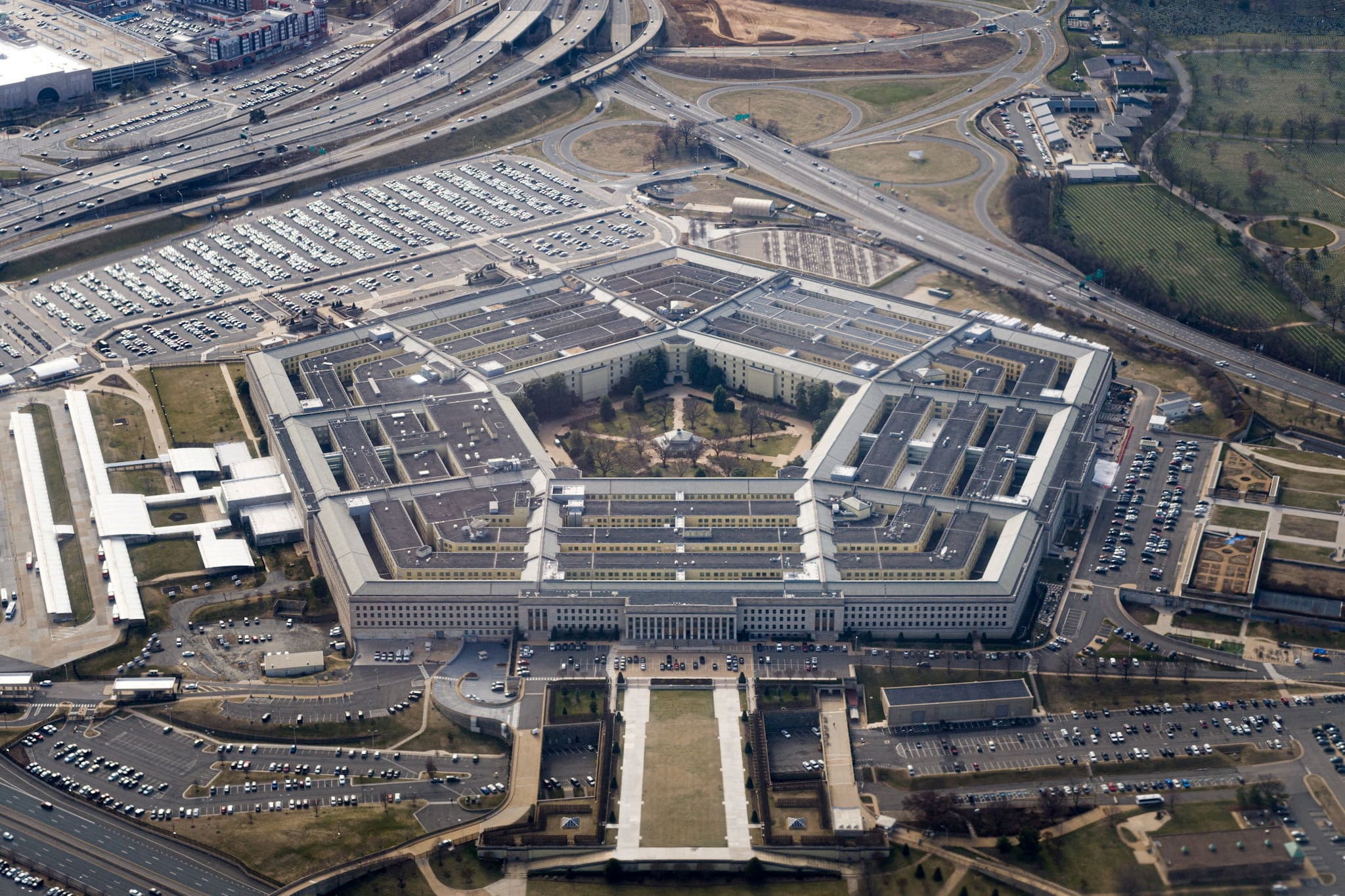
A high-stakes confrontation between the US military and AI company Anthropic has spilled into public view, resulting in the shutdown of some of the company's most capable AI models.
According to Reuters, the Pentagon clashed with Anthropic over how the US military is permitted to use its AI technology. The dispute sharpened when Defense Secretary Pete Hegseth warned Anthropic to allow the military to deploy its AI "as it sees fit," according to AP sources.
The immediate trigger was a US government order limiting foreign access to Anthropic's most advanced models. According to The Guardian, Anthropic disabled those models in response — including Claude Fable 5 and Mythos 5. Anthropic characterized the Trump administration's order as a "misunderstanding," according to reporting cited by MSN.
The timing drew wide attention in the tech world. XDA reported that Claude Fable 5 had been catching software bugs that rival models — including GPT-5.5 and Opus 4.8 — had failed to identify, making its abrupt removal a meaningful disruption for developers.
The fallout extends beyond US borders. India is Claude's second-largest user base after the United States, according to reporting on the dispute, meaning the model withdrawal has a significant international reach.
The episode is fueling a broader reckoning. Writing in The Guardian, Avner Gvaryahu argued that AI companies working closely with the military should be recognized as defense contractors, not technology firms hiding behind their models. The Conversation noted that the public feud raises fundamental questions about how — and whether — AI should be used in warfare.
Why it matters: as AI systems become central to both national security and everyday software development, the terms on which governments can access and direct these tools are no longer a back-room negotiation — they are a geopolitical flashpoint with real consequences for users around the world.