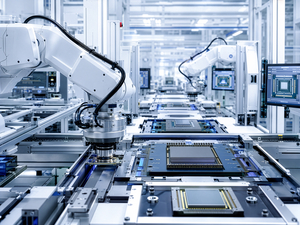
South Korea's information and communications technology exports hit an all-time high in May, fueled by surging global demand for AI chips, according to data reported by Yonhap News Agency. The milestone underscores how the artificial intelligence buildout — led by data center operators and AI hardware makers worldwide — has turned South Korean semiconductor makers into critical suppliers for the industry.
Yet the record-breaking export numbers are telling only part of the story. According to Nomura, the AI-driven semiconductor boom has so far produced limited spillover into South Korea's broader domestic economy. Despite strong chip export figures and rising equity markets, domestic demand remains subdued — meaning the wealth generated at the top of the supply chain has not yet filtered down into wider consumer or business spending inside the country.
The divergence highlights a tension familiar to resource-dependent economies: when a single sector supercharges headline numbers, it can mask underlying weakness elsewhere. South Korea's economy is heavily oriented around its chip giants, and while that concentration has made the country indispensable to global AI infrastructure, it also means the country's fortunes are tightly coupled to the spending cycles of a handful of large technology companies abroad.
The pattern matters because it raises a question policymakers and investors will be watching closely: can a chip-export boom eventually lift wages, consumption, and domestic investment — or will the gains remain concentrated? According to Nomura's economist, the answer, at least for now, leans toward the latter.